The Major Arcana
N - The Fool
I - The Magician
II - The High Priestess
III - The Empress
IV - The Emperor
V - The Hierophant
VI - The Lovers
VII - The Chariot
VIII - Strength
IX - The Hermit
X - The Wheel of Fortune
XI - Justice
XII - The Hanged Man
XIII - Death
XIV - Temperance
XV - The Devil
XVI - The Tower
XVII - The Star
XVIII - The Moon
XIX - The Sun
XX - Judgment
XXI - The World
N – The Fool - TAKEN
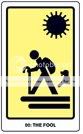
The Fool is the most complex and most contradictory of all the Tarot cards.
The number zero is usually associated with this card. In fact this is simply a shorthand for saying that The Fool has no number. He is outside of such systems: "I am not a number, I am a free man". As such this card can be considered to fall at the beginning of the major Arcana, or at the end, or anywhere in between.
The Fool represents naivety and childlike innocence - yet the Fool is wise.
He carries only what possessions he really needs, having thrown off the rest of the materialistic baggage that we carry. He journeys through life, tasting everything it has to offer then letting it go and moving on.
In many Tarot decks The Fool is illustrated as being about to step off a cliff. Is this symbolic of dangerous, impulsive risk-taking? Or does it indicate one who simply refuses to be held back by the problems life throws in our path.
Whether the Fool represents opportunity or danger one thing is clear: this world needs more fools.
I – The Magician TAKEN
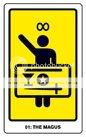
The Magician (Magus) is a card of power. Power over the elements, power over others - or the ultimate power, power over oneself.
This is card One - and "1" is also "I".
The Magician, also known as Magus, represents those aspects of the personality traditionally considered "masculine". He is in control. He knows how things work, he can analyze them in detail. He takes action and makes things happen.
This is a forceful, dynamic Tarot card, yet one that operates through the power of Will rather than brute force. If knowledge is power then the Magician represents the application of knowledge. The Magician creates his desired reality.
When this card appears in a Tarot spread it indicates the attainment of goals through the application of knowledge and Will. If badly featured in a spread, this card can represent abuse of power. It can indicate manipulation of others, trickery and deception.
The Magician can be both sage and conjurer.
II – The High Priestess OPEN
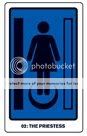
The High Priestess is a card of intuition, instinct and hidden knowledge. She encompasses the word "esoteric".
The High Priestess does not seek to dissect. Instead she relies on synthesis, on the bringing together of opposites. She is duality in a singularity.
An emotional singularity which can suck you in and from which you may never escape.
She knows all your secrets, you can hide nothing from her. Yet you will never know the secrets she herself protects.
If well featured in a Tarot spread, this card can indicate the use of intuition to solve problems; trust to your instincts. If badly featured, it can mean suppression and ignoring of such instincts - following your head at the expense of your heart.
The High Priestess understands the Mona Lisa's smile.
III – The Empress OPEN
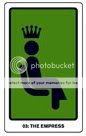
The Empress is a maternal symbol. She is the mother figure who loves, nurtures and protects.
She will protect you, she will always be there when you are in trouble. When you fall over and graze your knee, the Empress will kiss it better.
Yet she is not a weak figure. Her compassion is strength. If her children are threatened she will stop at nothing to protect them.
If well featured in a Tarot spread, the Empress can symbolize security, protection and unconditional love. If badly featured it can represent over-protectiveness, fear of risk taking and refusal to face the real world.
IV – The Emperor OPEN
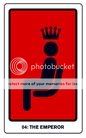
The Emperor represents power. There is nothing subtle about this Tarot card.
The Magician has power through intellect; the High Priestess has power through knowledge; the Empress has power through love.
The Emperor has power through power.
He is in control, he is forceful and ambitious. Nothing will stop him. He is a natural leader, having either been born to the role or having disposed of all those who stood in his way.
If well featured in a Tarot spread this card can indicate success. It represents obstacles overcome, goals reached and ambition fulfilled. If badly featured it can indicate either weakness or an abuse of power.
The Emperor has power - can he avoid corruption?
V – The Hierophant OPEN
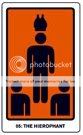
The Hierophant represents spiritual power through the establishment. This is the card of the Church - be that a church of religion, politics or public opinion.
This card refers to accepted authority. It is a card of safety in numbers, of conformity, of social pressure. In the world of the Hierophant social order is all-important and innocent citizens carry identity cards. The illusion of security at the expense of freedom.
If well featured in a Tarot reading, this card can indicate security and a good reputation in society. Sometimes it means an ability to subvert and escape that authority - context is important here.
If badly featured it can represent a loss of public standing and/or the suppression of individuality by the establishment.
The Hierophant sees all.
VI – The Lovers OPEN
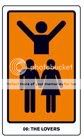
The Lovers is one of the simplest Tarot cards of the Major Arcana. It does exactly what it says on the tin.
This is a card symbolizing couples, relationships and strong bonds. The love does not have to be physical, nor even called by that name. Lifelong platonic friends are Lovers in the context of this card. Whether they know it or not they have made a commitment to one another.
This card indicates the trust and openness of such a relationship. The two Lovers have no secrets from each other, they are as one - and when two are as one they are as strong as ten.
When well featured in a Tarot reading this card can indicate the forging of a new relationship, the strengthening of an existing one or simply the two Lovers working together to overcome problems.
When badly featured the card can represent the loss of trust, possibly leading to the breakdown of the relationship. It can also refer at times to false relationships, deception and pain.
True love conquers all.
VII – The Chariot OPEN
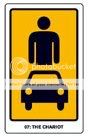
The Chariot is a forceful card, a representation of forward movement. It is a card of self-control and self-motivation.
The Chariot knows its path and its destination and will get there, no matter what stands in its way. It will overcome all obstacles.
What is the journey? Is it a short journey to a particular goal? Or is it the longest journey of all, one's life? Either way the Chariot is a card that knows where it is going and will not stop until it gets there.
If well featured in a tarot reading this card indicates progress and overcoming of obstacles. If badly featured it can represent either failure to overcome those obstacles or - possibly more dangerous - success in achieving the wrong goals.
The Chariot sets goals and takes action to achieve them - it is the card of motivational speakers.
VIII – Strength OPEN
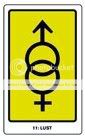
Strength does not just refer to physical strength, it also means emotional and spiritual strength. It is the Strength to do what you know is right in the face of opposition. Strength to defy convention and authority.
Strength does not have to be used directly. It can be inner strength that supports one in the face of attacks on what they hold dear. Whilst all around are co-operating in their own oppression, the person of Strength remains true to their beliefs. People of Strength join the Resistance, burn their Identity Cards and usher in the velvet revolution.
As the martial arts teach, Strength can be used against the possessor. Therefore it is not something to be inflicted on others if there is an alternative. Strength is a shield not a sword - true Strength is used to bolster oneself. It is the Strength that allows people to protest against war in the face of international blood lust.
If well featured in a Tarot reading, this card can indicate overcoming of obstacles and refusal to be beaten down. It is a card that symbolizes total belief in one's cause and the willingness to do whatever is necessary.
If badly featured this card can indicate loss of faith, failure of Will. Or worse, it can mean using one's strength to oppress others.
"The greatest warrior is one who does not need to kill."
IX – The Hermit TAKEN
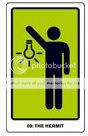
The Hermit is a lone figure, walking through the darkness carrying the light. The light can be a great burden but is also a great gift.
The Hermit is a quiet, contemplative card. While others rush around and shout, he sits quietly alone and thinks. He goes deep within to reach wisdom.
The Hermit is a careful planner, never rushing into anything. Yet when he does act he does so all the more effectively, applying the results of his contemplation to overcome previously insurmountable obstacles. He knows the outcome of the game before making the first move.
If well featured in a Tarot reading, this card can indicate contemplation leading to new wisdom and inner strength. It can also indicate obtaining wise counsel from such a person.
If badly featured this card can indicate excessive isolation and withdrawal, refusal to cooperate or be involved with others.
If you can see no way out then look inwards.
X – The Wheel of Fortune OPEN
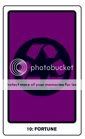
The Wheel of Fortune represents the cyclical nature of all reality. This is the essence of the wisdom hinted at by other cards such as the Fool and Death.
Life is change. Stability is stagnation. All things pass.
Yet for all that things change, the essentials remain the same. The wheel turns - day becomes night becomes day, rain becomes sun becomes rain, joy becomes pain becomes joy.
If well featured in a Tarot reading, this card can indicate good fortune through change, the wheel turning for now to a better position.
If badly featured this card can indicate what appears to be misfortune. It can also represent resistance to the inevitability of change.
XI – Justice OPEN
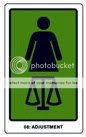
Justice represents settlement of dispute by impartial authority.
The blindfold arbiter weighs the evidence and passes judgment without fear or favor. There can be no appeal.
Whilst the arbiter is blindfolded, the courtroom is open to all. It is not enough for justice to be done, justice must be seen to be done. A secret trial cannot be a fair trial. The accused must be told the charges and the evidence must be assessed by a jury.
Justice is not necessarily the same as Law. True justice seeks out the spirit of the law, not just its letter. If a law is bad then true Justice will set that law aside. This is the sacred responsibility of those given the power to judge.
If well featured in a Tarot reading, this card can indicate settlement of disputes, the achievement of a just outcome.
If badly featured this card can indicate corruption and failure of justice.
Judge each case on its merits.
XII – The Hanged Man OPEN
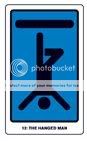
The Hanged Man is not a victim - he has gone to his fate happily and smiles out at us. This is his card, not that of the hangman. He is serene and content - it is his tormentors who will ultimately suffer.
The Hanged Man has that precious gift - a cause in which he believes totally and for which he is willing to risk all, give all. This is a card of self-sacrifice for the good of others.
Many people of religious persuasion draw parallels between the Hanged Man and religious figures such as Christ.
Oppressors know the power of a martyr such as The Hanged Man. Often the State seeks to cripple dissidents financially rather than impose custodial sentences.
If well featured in a Tarot reading, this card can indicate sacrifice for a cause, giving up one thing to obtain something greater.
If badly featured this card can indicate loss of faith and lack of true commitment, and "fair weather friends". It indicates an over-emphasis on the short term at the expense of the long.
What do you really care about?
XIII – Death OPEN
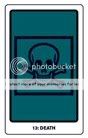
Death is probably the most well known Tarot card - and also the most misunderstood.
The reasons for the card's prominence are obvious. The name and the usual illustration of a skeleton provide very striking imagery. The Death card has thus been used - or abused - in many films.
Most Tarot novices would consider Death to be a bad card, especially given its connection with the number thirteen. In fact this card rarely indicates literal death.
A better name for this card might be "Change". Card number 13 of the Major Arcana represents the death of the old - and the birth of the new. Far from being a card of despair it is a card of hope, of moving on. To use a cliché, "as one door closes, another opens".
Without "death" there can be no change, only eventual stagnation. The "death" of the child allows for the "birth" of the adult.
This change is not always easy. The appearance of Death in a Tarot reading can indicate pain and short term loss, however it also represents hope for a new future.
XIV – Temperance OPEN
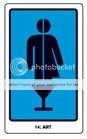
Temperance is a card of moderation, of balance. It is not about giving anything up, it is about having all things in harmony. It is about choosing delayed gratification.
Such choices must genuinely come from within; they have no value if imposed from without.
Temperance is the card of the moderator, the facilitator, the conciliator. Nothing is forbidden - so long as there is no excess. All must live in harmony.
There are no absolute rights and wrongs, laws are simply guidelines. Balance all the factors and steer a middle path. "An it harm none, do what thou will".
If well featured in a Tarot reading, this card can indicate coming to terms, either between individuals or with a situation. It indicates having neither too little nor too much.
If badly featured this card can indicate excess and over-indulgence, unhealthy self-restraint, different desires and goals pulling in different directions.
A little of what you fancy does you good.
XV – The Devil OPEN
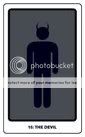
Despite its fearsome appearance, The Devil is a card of weakness. It is one of the few cards in the Tarot deck that almost always has negative connotations when it occurs in a reading.
The card shows two slaves chained to the Devil. Yet they are there from choice, the chains are of their own making. Negative emotions, hate, jealousy, authoritarianism - all these character flaws bring one to the feet of the Devil.
Is the Devil himself merely a creation of willing slaves?
The true sadness is that some people come to accept and even revel in their position as slaves to their negative tendencies. They take on a "victim mentality" or, worse, seek in turn to control the lives of others.
Yet they could escape any time - if they only had the Will.
When the Devil appears in a Tarot spread it can represent lack of achievement through negative thoughts. It suggests character flaws such as greed, bitterness and authoritarianism. All these things can ultimately destroy a person. The rest of the Tarot spread will determine whether or not the questioner will overcome their problems or continue blindly on.
Your cage is unlocked - are you brave enough to leave?
XVI – The Tower TAKEN
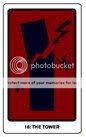
Like Death, The Tower symbolizes the end of the current state. Unlike Death it does not necessarily promise the birth of something new. If badly featured, this can be the worst card of the Tarot deck.
The Tower always indicates upheaval, possibly chaos, loss and destruction. Its effects are never pleasant and can be painful.
The card illustrates lightning striking the Tower. The lightning cannot be avoided, the destruction it brings is inevitable. All we can do is attempt to survive and rebuild.
The Tower brings sudden, severe change. It is up to us whether or not we harness that opportunity to build a bigger, better Tower for the future.
When The Tower appears in a Tarot spread it represents sudden and possibly violent change, disruption or loss. This loss must be interpreted with regard to the other cards in the spread to determine who will be struck be the lightning and how they will cope with the experience.
That which does not kill us makes us stronger?
XVII – The Star OPEN
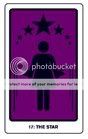
The Star represents peace, harmony and tranquility. Possibly it is the calm following the storm that destroyed the Tower.
In this card, the storm has passed and the air smells fresh. It is time for renewal, feelings of hope abound. It is time to stretch ourselves, to look forward to new horizons.
Times change, as do we. A new day brings new hope.
When the Star appears in a Tarot spread it represents new possibilities, new hope, new opportunities. If well featured then those opportunities will be recognized and grasped.
If badly featured it can indicate a failure to recognize those opportunities, or lack of courage to take advantage of them.
The future starts now.
XVIII – The Moon TAKEN
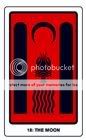
The Moon is one of the most complex Tarot cards. It represents the inner depths of the psyche, the powers of intuition and illusion.
The word "lunatic" is appropriate here. This is the card of the madman, the drug addict and the creative genius. Of the tortured soul.
The card shows a dark landscape illuminated only by the clear, white light of the Moon - light which is itself a reflection and hence illusion. Scorpions and wolves await the unwary traveler attempting to pass between the forbidding towers.
Yet this is also a landscape of great power, there is much to be learned here; if one can survive the perils and cope with the contradictions inherent therein.
Truth is falsehood. Reality is illusion. Nothing is real.
When the Moon appears in a Tarot spread it often represents emotional challenges, inner turmoil and psychic disturbance. There can be a lack of clarity in dealing with the mundane world, an excess of dreaming. Whether or not these experiences can be worked through and harnessed depends on the questioner.
XIX – The Sun TAKEN
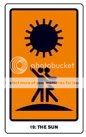
The Sun is the antithesis of its predecessor, The Moon. In this Tarot card night has passed, it is noon on a glorious summer day.
This is the happiest card in the deck. It is full of joy and optimism, everything is right with the world. We are as innocent children playing in the fields without care.
The Sun brings success, well-being and happiness in all spheres - material, emotional, spiritual - wherever our desires lay. We cannot know what tomorrow will bring but for today let us rejoice in the Now.
When this card appears in a Tarot spread it indicates success, joy and happiness. Obstacles will be overcome, goals achieved. Happiness abounds.
When badly featured, it can indicate a stagnation through over-indulgence, too much of a good thing. Yes, let's celebrate and enjoy what we have - but we must then move on to grow still further.
Even paradise eventually becomes boring.
XX – Judgment OPEN
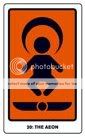
In Biblical terms Judgment clearly relates to the final day of judgment where the dead will rise and their souls be judged.
It is not necessary to take a religious view of this card. The fundamental interpretation is of a true and fair assessment of oneself. Look deep into yourself and see your faults. Just as importantly, see everything that is good about you - something many people in the West have trouble doing.
Judgment is not just criticism, it is also praise. We need both in order to truly assess ourselves and plot our future.
Judgment isn't the end, just a temporary pause to assess and regroup before we continue on our lives.
When this card appears in a Tarot spread it indicates decisions, changes, endings and beginnings. It indicates a need for honest self-assessment. Are we really traveling the best route? If well featured, we can be honest with ourselves and go on to live our lives the way we truly want. If badly featured, our self-deceit can lead us to a personal Armageddon.
XXI – The World OPEN
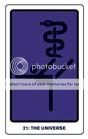
The World is the last Tarot card in the Major Arcana. As such it represents completion. It is one of the most positive cards in the Tarot deck.
This is a card of wholeness, the perfection of life and the cosmos. All that needs to be seen has been seen, all that needs to be done has been done. Obstacles have been overcome. The circle has been closed.
One does not conquer the world, one discovers it.
The Fool began his journey at the beginning of the Major Arcana and has now reached the end. Yet the Fool is also positioned at the end of the Tarot deck, indicating that another journey is about to begin.
When this card appears in a Tarot spread it indicates success, attainment of goals and completion. Yet success is only one step on the path. If badly featured this card - like the Wheel - can indicate a refusal to move on, a reluctance to change and the eventual stagnation that comes with such an attitude.
The journey is over - time to begin again.