|
|
|
|
|
|
|
|
|
 Posted: Fri Apr 06, 2007 7:28 am Posted: Fri Apr 06, 2007 7:28 am
|
|
|
|
|
|
|
|
|
|
Posted: Fri Apr 06, 2007 7:29 am
 Game Game
A wide variety of game animals make their homes in the woods. Although these listings are hardly staple, the following are some more plentiful animals whom make their homes in the woods. These may become targets of the hunting party.
+=* Sustaining points. 5 being the highest.
Herd Animals
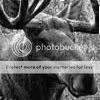 @@Moose +++++ @@Moose +++++
By far the largest game animal in the woods, there are a few bull moose who resident these areas. During the spring some does may become present with their offspring. They enjoy swimming and eating water plants, and for the most part wolves leave them alone. They can be a dangerous hunt- even when they are not being perused, they may easily take offense to young children. Old beasts make wonderful meals for the wolves strong enough to bring it down.
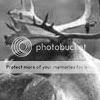 @@Caribou +++++ @@Caribou +++++
These are winter-early spring residents only. Caribou make their yearly migration from the northern lands to the southern lands in attempt to escape some of the winter cold. During the winter, they are the most plentiful source of food, for they are often weakened and do not care to travel further then the woods. They are still a large creature however, and even their females have horns. It is strong recommended wolves don't try to take them down on their own, although it is possible with the large, but slightly dumb, herd animals.
Even though they come in herds, during the winter, they are rarely together. Groups of about five roam the woods.
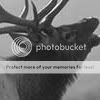 @@Elk +++++ @@Elk +++++
A year round resident to the woods, small groups of elk roam and haunt the earth with their eerie calls. Much more intelligent then caribou, they can prove to be a difficult creature to manage alone in hunts. Those weakened by winter are most often the source of a wolves meal, for during the spring they are normally at their strongest. Hunting parties are typically organized with an elk as the target prey, for they are just a bit larger then mule deer, and more filling.
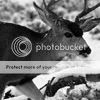 @@Mule Deer ++++ @@Mule Deer ++++
Mule deer are the most common species for a wolves diet, however, because of the large amounts of elk in the woods there are not many deer herds. The largest come from the western grassland, where they migrate to for grazing. They are usually the target animals of small party hunts, and of large game training sessions.
Unlike the other animals listed, these may be familiars, and certain deer may be labled as "non-killable" in respect to their owner.
Other Game
 @@Hare ++ @@Hare ++
The stable diet of any lone or single wolf. Hares make excellent small meals, and are actually rather filling considering the size of an animal. They do require the wolf to be fast an agile in order to run them down, after a few tries most wolves learn how to outsmart the clever animals. They reproduce like...well, rabbits, and their coat changes colors depending on the season.
Apparently Amelie cries when rabbits get eaten, but no one really cares.
 @@Rodents + @@Rodents +
Too proud to eat rodents? Believe it or not, in large quantities, these animals can sustain wolves comfortably for seasons. They reproduce like crazy, so rarely is their a shortage of them. Some small squirrel animals have been known to start talking and screaming, but we hope none of these creepy animals live in this wood.
 @@Salmon +++ @@Salmon +++
Salmon migrate once every year for spawning, and then their young travel downriver to be in the ocean. Salmon can be found year round in the ocean- if a wolf is good enough to catch it, but it the largest treat during the fall season when they attempt to climb up river. They practically leap into the mouths of waiting animals, and who can't turn down something like that?
|
 |
|
|
|
|
|
|
|
|
|
|
|
|
|
|
|
|
Posted: Fri Apr 06, 2007 7:30 am
Familiars
*Indicates a familiar whom has interest in conversing with wolves.
Deer Herd
N/a
Crow Murder
- Raven x
Bears
N/a
Lynx
N/a
Foxes
N/a
Squirrel Troop
- Sunflower x
|
|
|
|
|
|
|
|
|
|
|
|
|
|
|
|
|
|






 Reply
Reply
