|
|
|
|
|
|
|
|
|
 Posted: Wed May 18, 2011 9:42 am Posted: Wed May 18, 2011 9:42 am
This is where all of the Weapon styles will be listed. These obviously do not involve any type of Hand-To-Hand combat, just weapons.
|
 |
|
|
|
|
|
|
|
|
|
|
|
|
|
Posted: Wed May 18, 2011 5:05 pm
Shurikenjutsu: Throwing Weapons
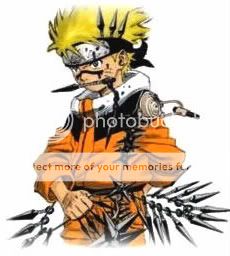
Hidden, Accurate, Deadly
Description:A shuriken (Japanese 手裏剣; literally: "sword hidden in the hand") is a traditional Japanese concealed weapon that was generally used for throwing, and sometimes stabbing or slashing. They are sharpened hand-held blades made from a variety of everyday items such as needles, nails, and knives, as well as coins, washers, and other flat plates of metal. The major varieties of shuriken are the bō shuriken (棒手裏剣, stick shuriken) and the hira shuriken (平手裏剣, flat shuriken). Hira shuriken are the most commonly known shuriken today. Known as the "throwing star" but all consist of more types. Bō shuriken can including various items from nails to knives.
Style Requirements: ---
Movement Description:Quick motions of the hands
Stage One (D-Class): The Tools
Stage Description: During this stage the practitioner begins to become familiar with various types of throwing tools and even tools which aren't meant for throwing, though his accuracy is not yet of the greatest.
Stage Powers:This stage allows the practitioner to become comfortable with picking up several types of shuriken and even objects similar to shuriken such as rocks, etc., and throwing them with ease. They cannot throw anything bigger than a tanto, however.
Stage Training: The training for this stage is simple. The practitioner will simply practice with various tools and objects.
Stage Techniques: N/A
Stage Two (C-Class): Precision
Stage Description: In this stage the practitioner begins to learn the points within the human body including pressure points, vital points, and so on.
Stage Powers: In completing this stage the practitioner gains a full knowledge of the entire human body, knowing where nearly every point is within the body. This allows them to strike the correct places upon a still human body when throwing a shuriken.
Stage Training:The practitioner will read upon the human body and study it as well as use a training dummy to practice throwing shuriken at.
Stage Techniques: N/A
Stage Three (B-Class): Penetration
Stage Description: Though the practitioner may be accurate at throwing their shuriken now the power behind the shuriken, though they may be sharp, isn't really great at all. They must now get the deep penetration in order to induce deadly strikes.
Stage Powers: After mastering this stage the practitioner is capable of throwing a shuriken into a tree to the point where the entire blade, if a hira shuriken(or half the blade of a bo shuriken), sinks into the trunk of the tree.
Stage Training: The practitioner simple practices upon a tree until they have achieved the ability to successfully sink their blade inches into the tree.
Stage Techniques: N/A
Stage Four (A-Class): Multiple Strike
Stage Description: In this stage the practitioner will begin to learn how to throw multiple shuriken at a single time. They also become faster in their ability to throw a single shuriken, making it so fast it's barely visible.
Stage Powers:The practitioner is now capable of throwing shuriken at high speeds and he is also capable of throwing three hira shuriken with a single hand and five bo shuriken.
Stage Training: The practitioner will simply practice holding several shuriken in one hand at a time and throwing them at a target.
Stage Techniques: N/A
Stage Five (S-Class): Concealment
Stage Description: In this stage the practitioner learns how to hide their shuriken virtually anywhere on them.
Stage Powers:They become capable of hiding their shuriken about their body and are able to move without harm to themselves. This makes it seem as if they have no weapon on them.
Stage Training: The practitioner practices placing shuriken about their body within their clothing and whatnot and practices moving as normal without hurting themselves in anyway.
Stage Techniques:N/A
|
|
|
|
|
|
|
|
|
|
|
|
|
|
|
|
|
|
Posted: Wed May 18, 2011 8:26 pm
Police Baton: Tonfa

Blunt, Stunning, Powerful
Description:A tonfa is a weapon which is intended to deliver blunt force. It is either made of metal or wood and has a small handle which sticks out of the side. It can be used by gripping either the handle or the main shaft.
Style Requirements: Must Be A Policeman
Movement Description:Quick Punch-like Strikes And Spins
Stage One (D-Class): The Tonfa
Stage Description: During this stage the practitioner begins to become familiar with the tonfa itself. The practitioner grows used to holding the tonfa at different points such as the handle or the shaft.
Stage Powers:This stage allows the practitioner to simply wield the tonfa and switch between holds. Nothing more.
Stage Training: The training for this stage is simple. The practitioner will simply practice switching back and forth between different grips of the tonfa.
Stage Techniques: N/A
Stage Two (B-Class): Offense With The Shaft
Stage Description: In this stage the practitioner begins to learn how to use the tonfa offensively when holding it by the handle. The movements of this stage are simple. It involves movements similar to punches and elbow strikes to strike the opponent with the tonfa.
Stage Powers: In completing this stage the practitioner now becomes capable of using the tonfa in attack but only when he is holding the handle.
Stage Training:The practitioner will practice attacking with the shaft while they maintain grip on the handle part of the tonfa.
Stage Techniques: N/A
Stage Three (B-Class): Defense With The Shaft
Stage Description: The practitioner begins to practice using the shaft of the tonfa to defend against oncoming attacks. They mostly use forearm blocks equivalent to those of Taekwondo but these blocks are aided by their tonfa.
Stage Powers: They becoming capable of blocking with their tonfa's shaft.
Stage Training: The practitioner simple has a partner of sorts come at them with several types of attacks and practice blocking these attacks.
Stage Techniques: N/A
Stage Four (B-Class): Offense With The Handle
Stage Description: In this stage the practitioner will begin to learn how to use the handle to attack their opponent by taking hold of the shaft. They use basic swings to strike their opponents.
Stage Powers:The practitioner is now capable of swinging their tonfa and using the handle to strike a devastating blow that could be deadly.
Stage Training: The practitioner will simply practice on anything they have available.
Stage Techniques: N/A
Stage Five (B-Class): Defensive With The Handle
Stage Description: In this stage the practitioner learns how to use the handle of their tonfa to defend. It is mostly use to hook other weapons, possibly even opponents themselves, and pull them away from the opponent.
Stage Powers:They become capable of disarming opponents with their tonfa handle.
Stage Training: The practitioner will practice with another and have him come at him with a weapon of sorts.
Stage Techniques:N/A
|
|
|
|
|
|
|
|
|
|
|
|
|
|
|
Posted: Fri May 20, 2011 1:11 pm
Iaido
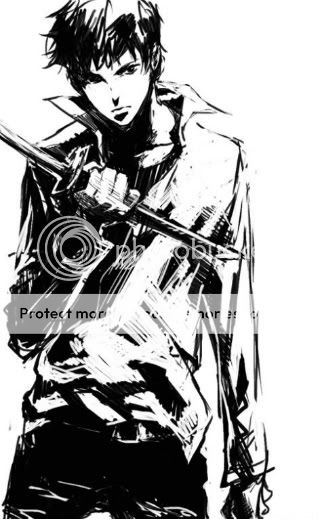
Fast, Sword, Draw
Description:Iaidō (居合道?) is a Japanese martial art associated with the smooth, controlled movements of drawing the sword from its scabbard, striking or cutting an opponent, removing blood from the blade, and then replacing the sword in the scabbard. While new students of iaidō may start learning with a wooden sword (bokken) depending on the teaching style of a particular instructor, many of those who study iaidō use a blunt edged sword (iaitō). Some, usually more experienced iaidō practitioners, use a sharp edged sword (shinken).
Style Requirements: ---
Movement Description:Quick single motions with the blade.
Stage One (D-Class): The Bokken
Stage Description: During this stage the practitioner begins to become familiar with the sword itself. At first they begin with a bokken which they will use for most of the style until they become heavily advanced.
Stage Powers:This stage allows the practitioner to become comfortable with picking up a sword and using it comfortably instead of just swinging.
Stage Training: The training for this stage is simple. The practitioner will simply practice using the bokken and practice "drawing" it and slashing with it.
Stage Techniques: N/A
Stage Two (C-Class): The Slash
Stage Description: In this stage the practitioner learns how to accurately strike with their sword and how to fully control it. Their practice involves simple striking with the blade.
Stage Powers: In completing this stage the power behind the slashes of the practitioners blade grow immense. This allows them to be able to slice the human body with the slightest of actions. It boosts their strength, when using this style, by two ranks.
Stage Training:The practitioner will hold the sword above their head and practice bringing down, as if to strike an opponent, but will stop their sword before it strikes. They will practice with and extra large bokken which weighs in at around 20kgs.
Stage Techniques: N/A
Stage Three (B-Class): The Draw
Stage Description: In this stage the practitioner will practice the main concept of the style, drawing the blade. They still use their bokken, however.
Stage Powers: After mastering this stage the practitioner's speed with the blade is ranked up by one.
Stage Training: The practitioner simply holds the bokken at their side, as if sheathed, and practices drawing it over and over again until they feel it is enough.
Stage Techniques: N/A
Stage Four (A-Class): Putting It Together
Stage Description: In this stage the practitioner will begin to learn how to thread what they have previously learned together. They will start to begin linking their draw with their strikes instead of simply drawing or striking.
Stage Powers:The practitioner is now capable of drawing their blade and striking and then sheathing it.
Stage Training: The practitioner will simply practice drawing, striking, sheathing over and over again.
Stage Techniques: N/A
Stage Five (S-Class): The Katana
Stage Description: In this stage the practitioner begins to put their skills into play with an actual katana.
Stage Powers:They become capable of utilizing a katana with this style.
Stage Training: The practitioner practices what they have recently learned except with an actual katana to get the feel of it.
Stage Techniques:N/A
|
|
|
|
|
|
|
|
|
|
|
|
|
|
|
|
|
|
Posted: Mon Jun 06, 2011 2:02 pm
Balisong - Butterfly Knife
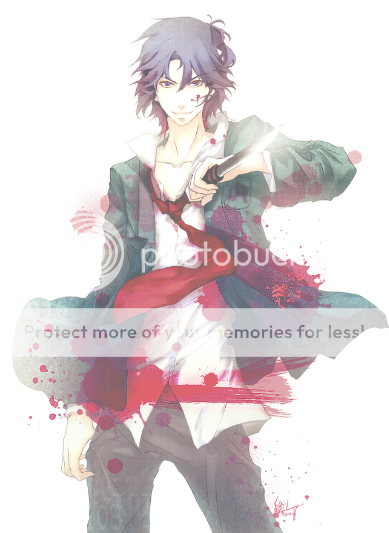
Flashy, Concealable, Confusing
Description:A Balisong, otherwise known as a butterfly knife or fan knife, is a folding pocket knife with two handles counter-rotating around the tang such that, when closed, the blade is concealed within grooves in the handles. It is sometimes called a Batangas knife. In the hands of a trained user, the knife blade can be brought to bear quickly using one hand. Manipulations, called "flipping" or "fanning", are performed for art or amusement. Balisongs are useful for situations where it is inconvenient to use both hands to open a knife. For example, a worker who is using a single hand to hold on to something as protection against falling will not wish to use that hand to open a knife. In that situation it is useful to have a knife that can be opened with just the other hand.
Style Requirements: ---
Movement Description:Quick Motions Which Are Hard To Track
Stage One (D-Class): The Balisong
Stage Description: During this stage the practitioner begins to become familiar with the weapon which they possess. They become used to opening and closing the weapon with a single hand.
Stage Powers:The Runner's speed in ONLY opening and closing the weapon is like no others. It is possibly one of the fasts draws compared to the other weapons.
Stage Training: The training for this stage is simple. The practitioner will simply practice opening and closing the knife and focus upon becoming faster and faster with it in due time.
Stage Techniques: N/A
Stage Two (C-Class): The Handles
Stage Description: In this stage the Runner becomes familiar with inducing strikes with the blade's handles. These strikes are blunt but can become truly powerful in due time. these strikes, however, are single strikes and do not link up in a sort of chain from strike to strike.
Stage Powers: The strength in using the Balisong is increased by one after mastering this stage and the practitioner becomes capable of inducing strikes with the handle.
Stage Training:The practitioner will practice opening and closing the blade as before but as he does he will attempt to strike a target with one of the handles as he opens and closes the blade.
Stage Techniques: N/A
Stage Three (B-Class): The Blade
Stage Description: In this stage the practitioner will learn how to strike with the blade as soon as the open it or while they are closing it. These strikes are extremely fast but once again they do not chain into each other.
Stage Powers: After mastering this stage the practitioner's speed with the blade is ranked up by one.
Stage Training: The practitioner simply practices slicing with the blade as is opens and as it closes.
Stage Techniques: N/A
Stage Four (A-Class): Flashing
Stage Description: In this stage the practitioner will begin to learn how to Flash, or Fan. This allows the practitioner to open and close the blade as he spins it around and performs various, confusing motions and moves with the blade in his hand.
Stage Powers:The practitioner is now capable of striking in a continuous flurry by simply opening and closing the blade as he attacks his opponent. These are very hard to track and dodge.
Stage Training: The practitioner will practice attacking in general as he opens and closes the blade.
Stage Techniques: N/A
|
|
|
|
|
|
|
|
|
|
|
|
|
|
|
Posted: Wed Jun 22, 2011 8:03 pm
Kusari-Fundo: The Way of The Chain

Ranged, Flexible, Weighted
Description: Kusari-fundo is a hand held weapon used in feudal Japan consisting of a length of chain (kusari) with a weight (fundo) connected to each end of the chain. Various sizes and shapes of chain and weight were used as there was no set rule on the construction of these weapons. Other popular names are manrikigusari meaning ten thousand power chain or just manriki. The chain(kusari) could have many different shapes including round, elliptical, and egg shaped. The thickness of the chain also varied. Usually the first link of chain attached to the weight was round and often larger and thicker then the rest of the links of the chain. The weight attached to each end of the chain could have many different sizes and shapes, the weights were usually exactly matched in size and shape but on some of the related chain and weight weapons the weights could be completely different from each other, with one weight being much longer than the other like a handle on one end or one weight could be round while the other weight could be rectangular. Weight shapes include round, hexagon, rectangle. The weight can even be a blade.
Style Requirements: A Chain Of Sorts; Must Be A DareDevil
Movement Description: The Movement Is Quite Erratic And Hard To Predict
Stage One - D-Rank: Swing and Spin
Stage Description: This is a stage that focuses around the most basic attacks with the chain: swinging and spinning. These are known to be the most basic attacks of the attacks. The size of the chain used in this beginning stage reaches no more than four feet. The weights weigh no more than a pound and aren't really as devastating.
Stage Powers: By completing this stage one gains the ability to utilize the chain in the simplest of ways but are able to attack. Their attacks consist of no more than a slash/swinging type motion and a basic spin of the chain.
Stage Training: The training is simple. One simply practices maneuvering the kusari-fundo about without striking themselves.
Stage Techniques: N/A
Stage Two - C-Rank: The Whip
Stage Description: This is a stage where the kusari-fundo is now used within a whip-like fashion. This whip like movement is slightly hard to read but not totally unpredictable. Now, as the user progresses, they can obtain a longer chain which can reach up to five feet, six inches. Their weights can now grow to little over a pound.
Stage Powers: In this stage the user now obtains a knowledge of how to whip the chain in order to strike their opponent. They also become strong enough to handle a longer chain and slightly heavier weights if/when needed.
Stage Training: The user will set up a target of their liking and practice whipping at it in order to get used to the action.
Stage Techniques: N/A
Stage Three - B-Rank: The Lasso
Stage Description: In this stage the person learns to use the kusari-fundo as a sort of lasso. They can utilize it to grab opponents' limbs, weapon(such as swords), and even the entire opponent themselves. By now the user is capable of utilizing a six foot long chain and two pound weights.
Stage Powers: In this stage the use becomes capable of "grabbing" virtually anything with their chain by wrapping the chain around their target.
Stage Training: A simple practice of tying up things like poles, trees, a training partner with get the user used to such an action.
Stage Techniques: N/A
Stage Four - A-Rank: Master of the Chain
Stage Description: At this stage the user completely masters the use of the kusari-fundo and is capable of equipping their weapon with several different types of weights. These even includes knifes and such.
Stage Powers: By completing this stage the user becomes used to dealing with roughly any type of chain. This allows their attacks' power and speed to become increased by one.
Stage Training: As one "practices" for this stage they begin to experiment with different types of weights and lengths of the chain. This allows them to get an overall mastery of virtually any chain and weight.
Stage Techniques:N/A
|
|
|
|
|
|
|
|
|
|
|
|
|
|
|
|
|
|
|





 Reply
Reply